Framed by the City: Discovering Hidden Narratives in Urban Moments

The city reveals itself in layers. To truly see it, you need to slow down and look carefully. In Brussels, the light falls differently on history. Grand facades stand still, almost indifferent, while life moves quietly at their feet. The city is a place where stories unfold in small, often unnoticed moments.

The City as a Living Frame
Brussels shows how urban spaces act like frames for everyday life. Squares open like stages—structured and symmetrical—but the scenes change constantly. People pass through, rewriting the story with each step. A cyclist cuts across the frame, soft and fleeting, as if interrupting time itself. Meanwhile, a billboard towers above, bright and polished, contrasting with the permanence of stone and memory. This tension between what lasts and what sells defines the city’s character.
The city’s architecture holds silent witness to these moments. Statues, buildings, and streets form a backdrop that shapes how life unfolds. The contrast between stillness and movement creates a dynamic rhythm. This rhythm invites photographers and observers to find meaning in fragments of urban life.
Inside the City’s Quiet Corners
Inside, the pace shifts. A bookstore breathes in silence, its shelves filled with stories waiting to be discovered. The quiet here contrasts with the busy streets outside. Reflections in glass blur reality, turning windows into second streets where movement overlaps and identities dissolve. Passersby become part of the display, part of the story, without even noticing.
These quiet corners reveal the city’s depth. They show how urban life is not just about noise and crowds but also about moments of stillness and reflection. A man sitting at a café table, cigarette burning slowly beside his laptop, stretches time between decisions. Nearby, a chess game unfolds in sunlight, two minds locked in quiet strategy while the world continues around them.

Details That Carry Weight
Even the smallest details in the city carry meaning. A pigeon crossing an empty terrace, water reflecting shifting architecture, or shadows playing on stone walls all contribute to the urban story. The city is never just one thing. It is contrast, repetition, and interruption.
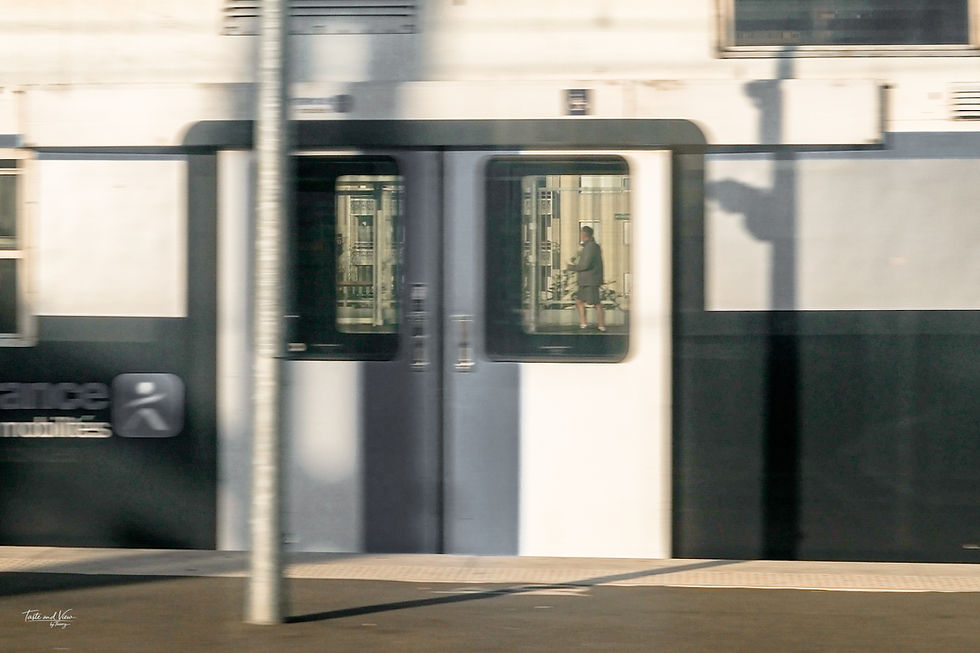
Street photography captures this complexity. It becomes a dialogue between past and present, movement and stillness. City life exists in fragments—candid moments that rarely ask for attention but define everything. Nothing here is accidental. Everything is passing.
These moments invite us to look closer, to find stories in the everyday. They remind us that the city is alive, constantly changing, yet holding onto its history in subtle ways.

Seeing the City Differently
To discover these hidden narratives, you need to change how you see the city. Instead of rushing through, pause and observe. Look for contrasts: the old and new, movement and stillness, permanence and change. Notice how light and shadow shape the scene. Pay attention to small details that others might miss.
Urban photography offers a way to frame these moments. It helps reveal the layers beneath the surface. By focusing on candid scenes, photographers capture the city’s true character. They show how everyday life creates a rich, ongoing story.
This approach applies beyond photography. Anyone walking through the city can practice this kind of mindful observation. It deepens your connection to the place and uncovers stories that might otherwise go unnoticed.
Final Thoughts



Comments